
























Ancient Bridges
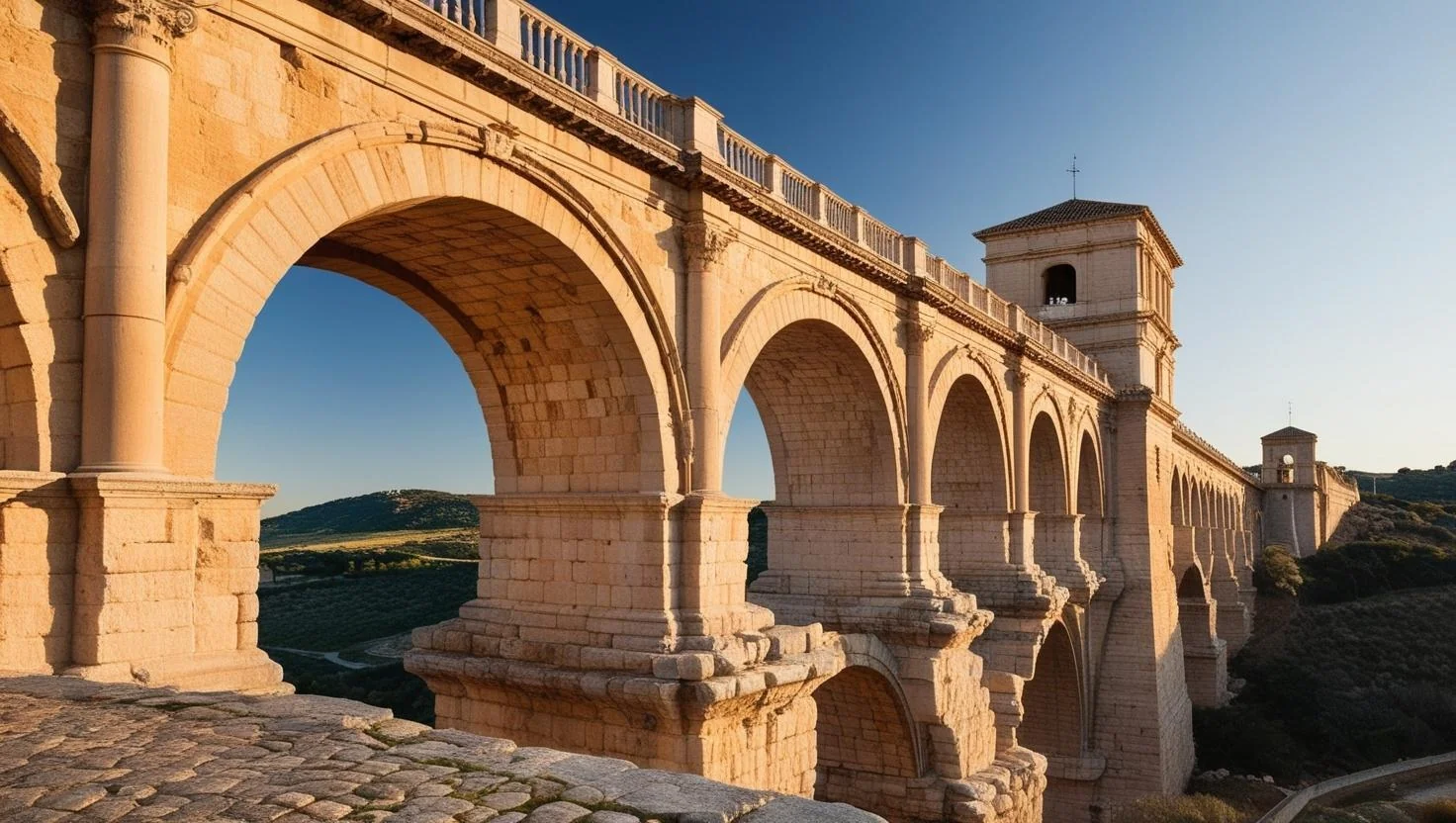
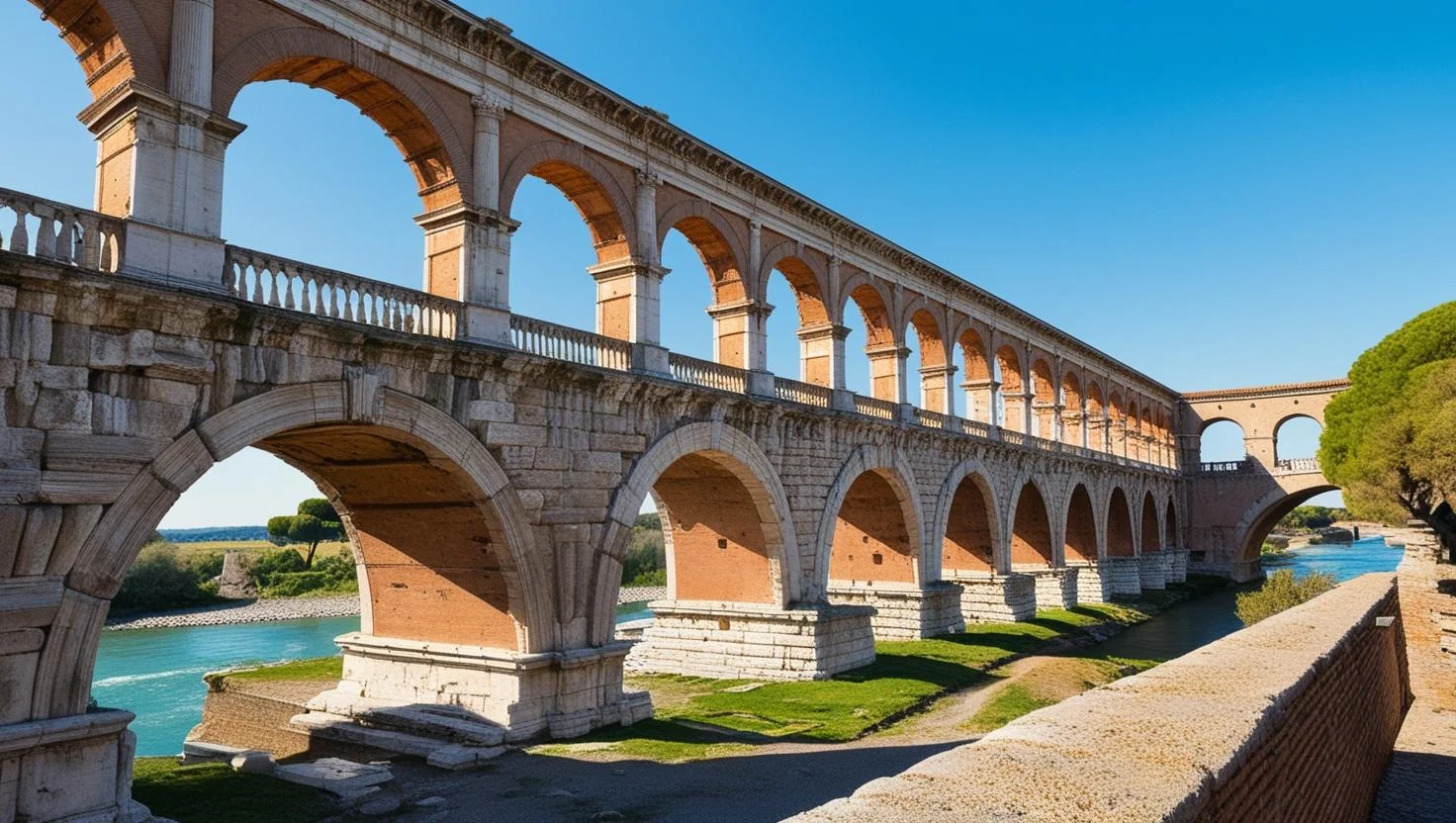
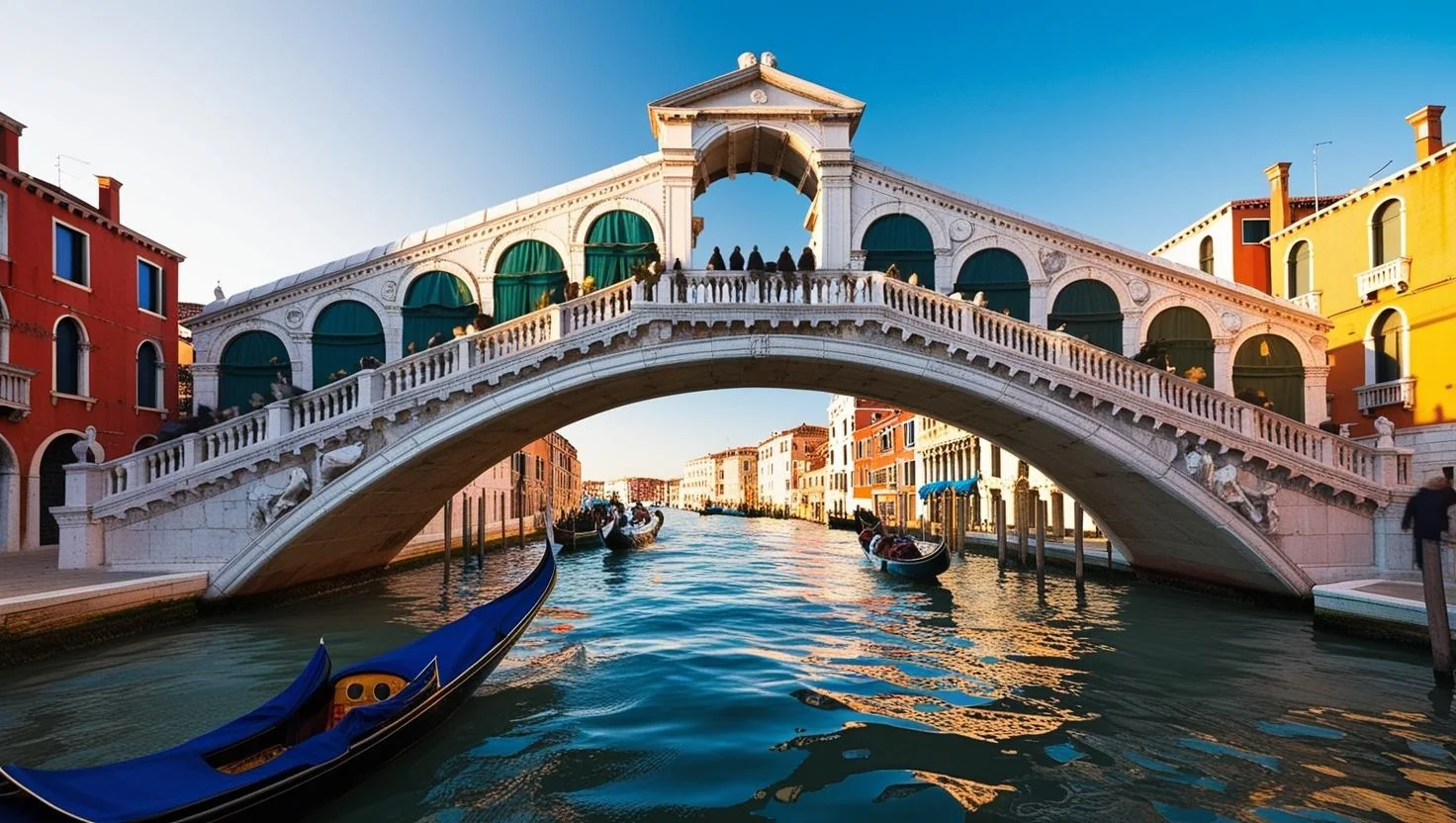
The history of bridges dates back to ancient civilizations, where the need to cross rivers and gorges led to some of humanity's earliest engineering feats. The oldest known bridge still in existence is the Arkadiko Bridge in Greece, built around 1300-1190 BCE during the Mycenaean Bronze Age.
Medieval Bridges
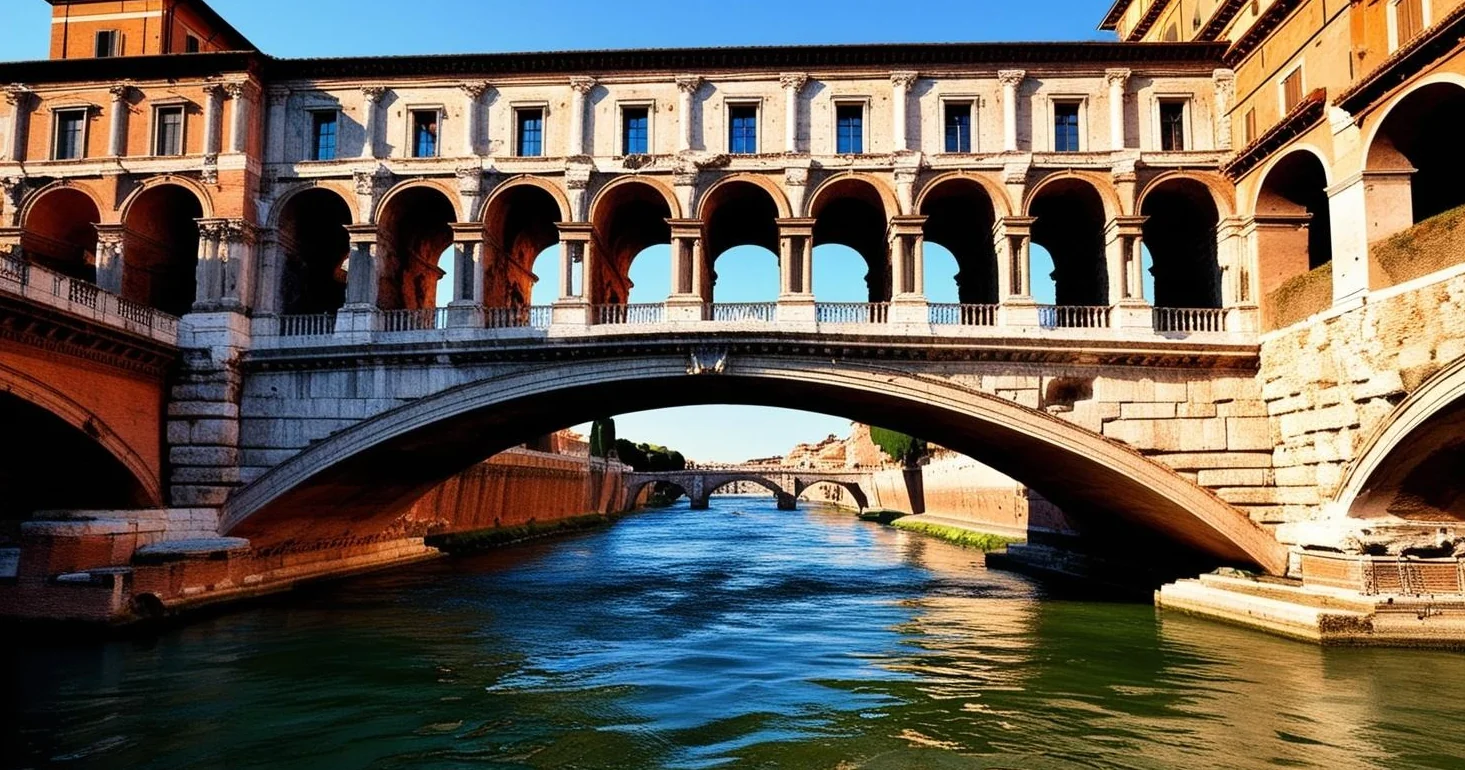
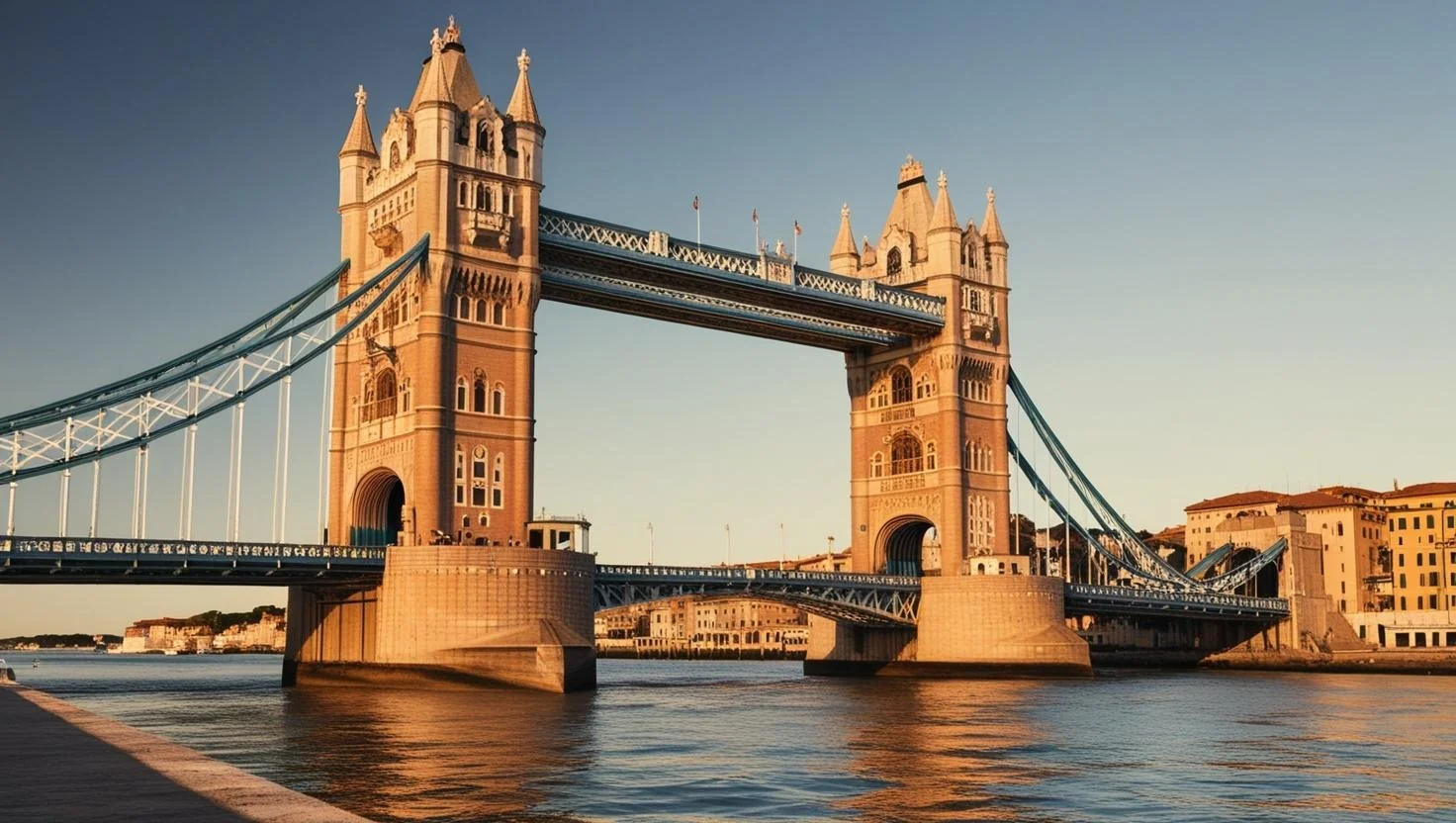
During the Middle Ages, bridge construction flourished with the development of pointed arches and fortified bridges. The 12th century saw the construction of London Bridge (1176-1209), which stood for over 600 years with its famous buildings and shops lining the span.
Industrial Revolution
The 18th and 19th centuries brought revolutionary changes to bridge design with the introduction of iron and steel construction. The Iron Bridge (1779) in England was the first major bridge in the world made of cast iron, marking the beginning of a new era in bridge construction.
Modern Engineering Marvels
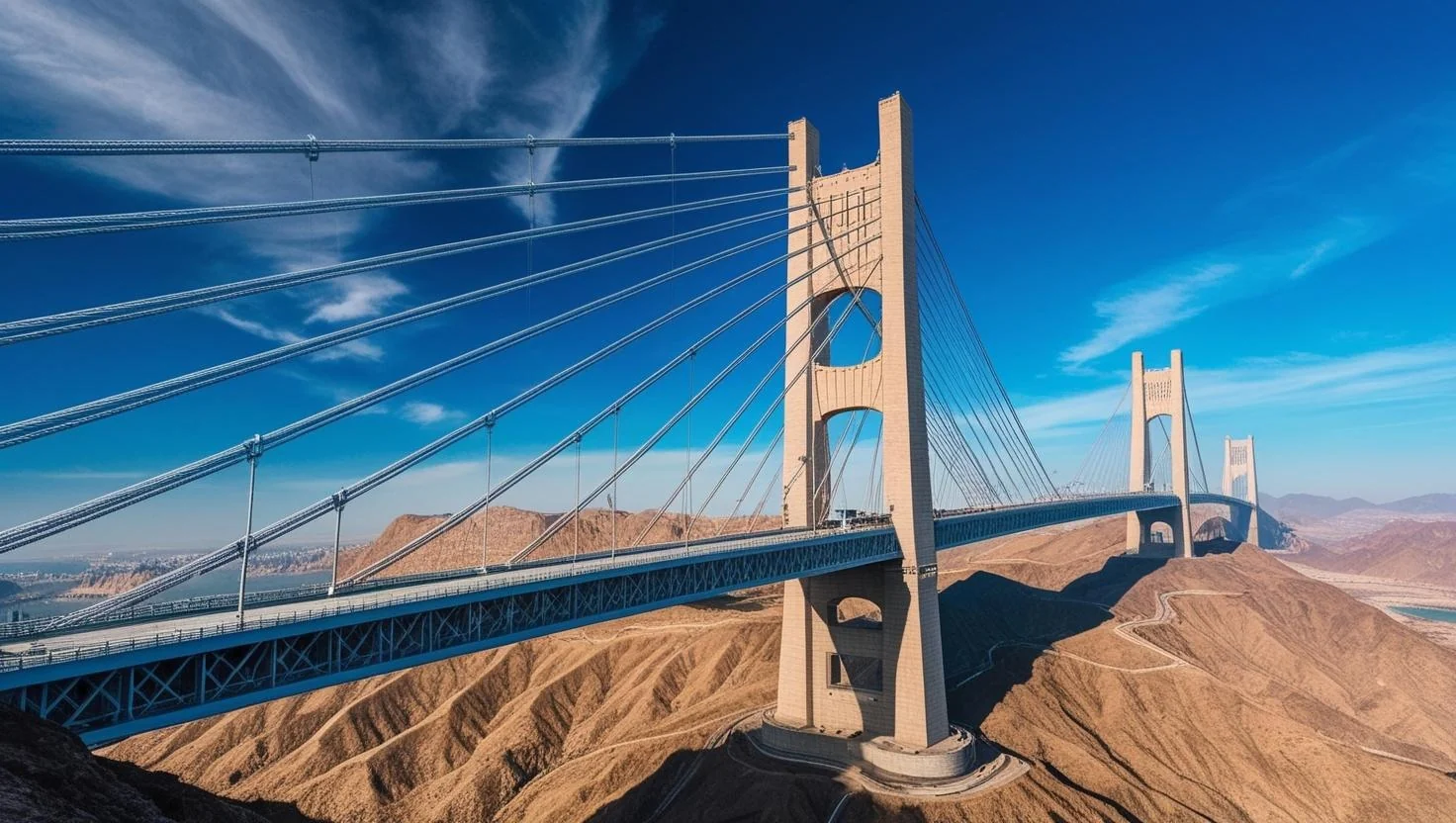
The 20th and 21st centuries have seen bridge engineering reach unprecedented heights (and lengths):
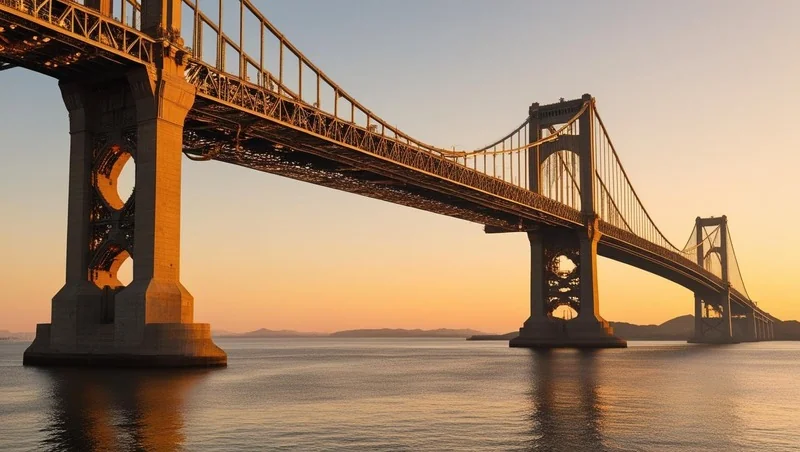
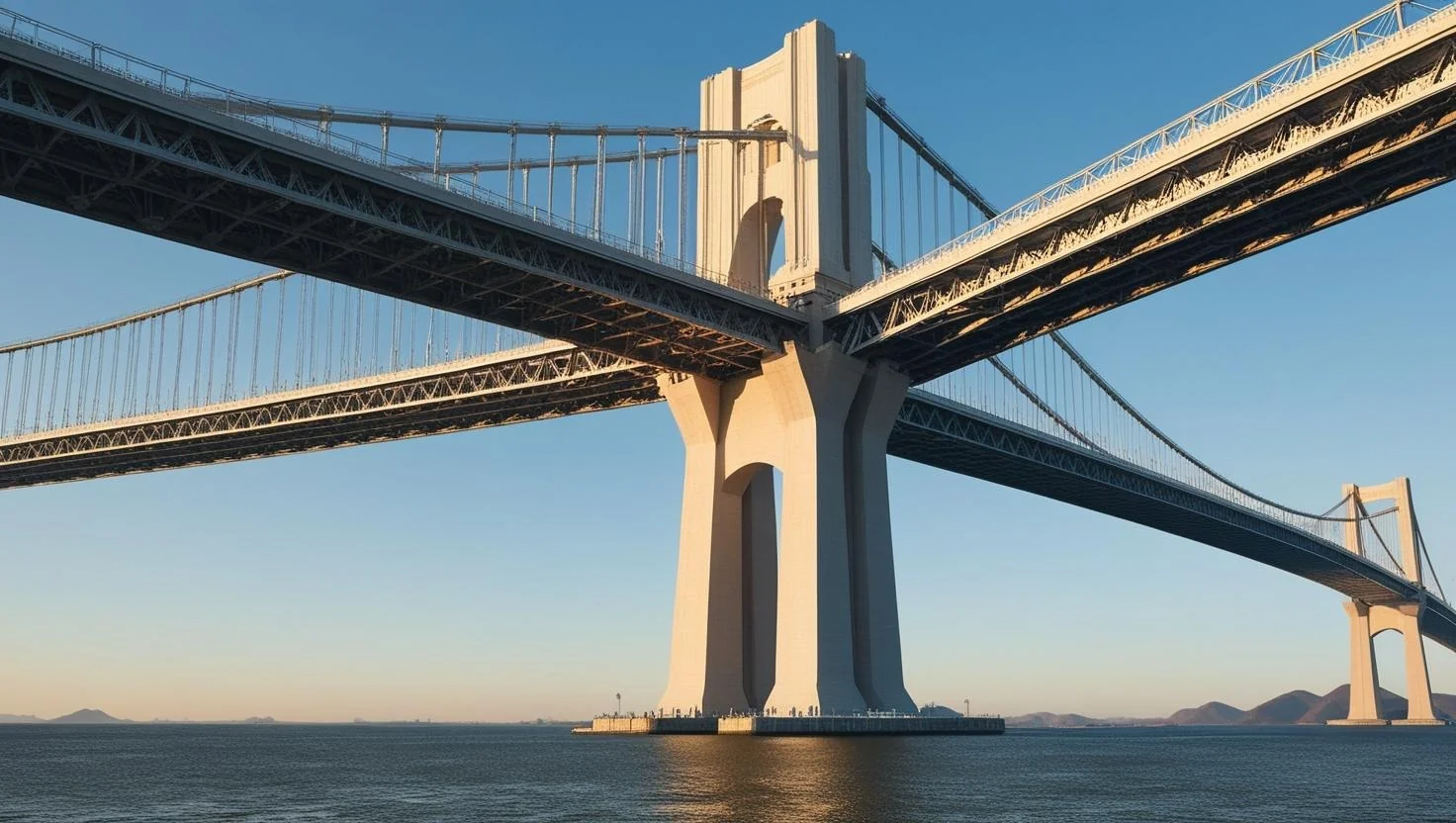
- Golden Gate Bridge (1937): An Art Deco masterpiece that became the longest suspension bridge span in the world at the time.
- Akashi Kaikyō Bridge (1998): Currently the longest central span of any suspension bridge at 1,991 meters.
- Millau Viaduct (2004): The tallest bridge in the world with a structural height of 343 meters.
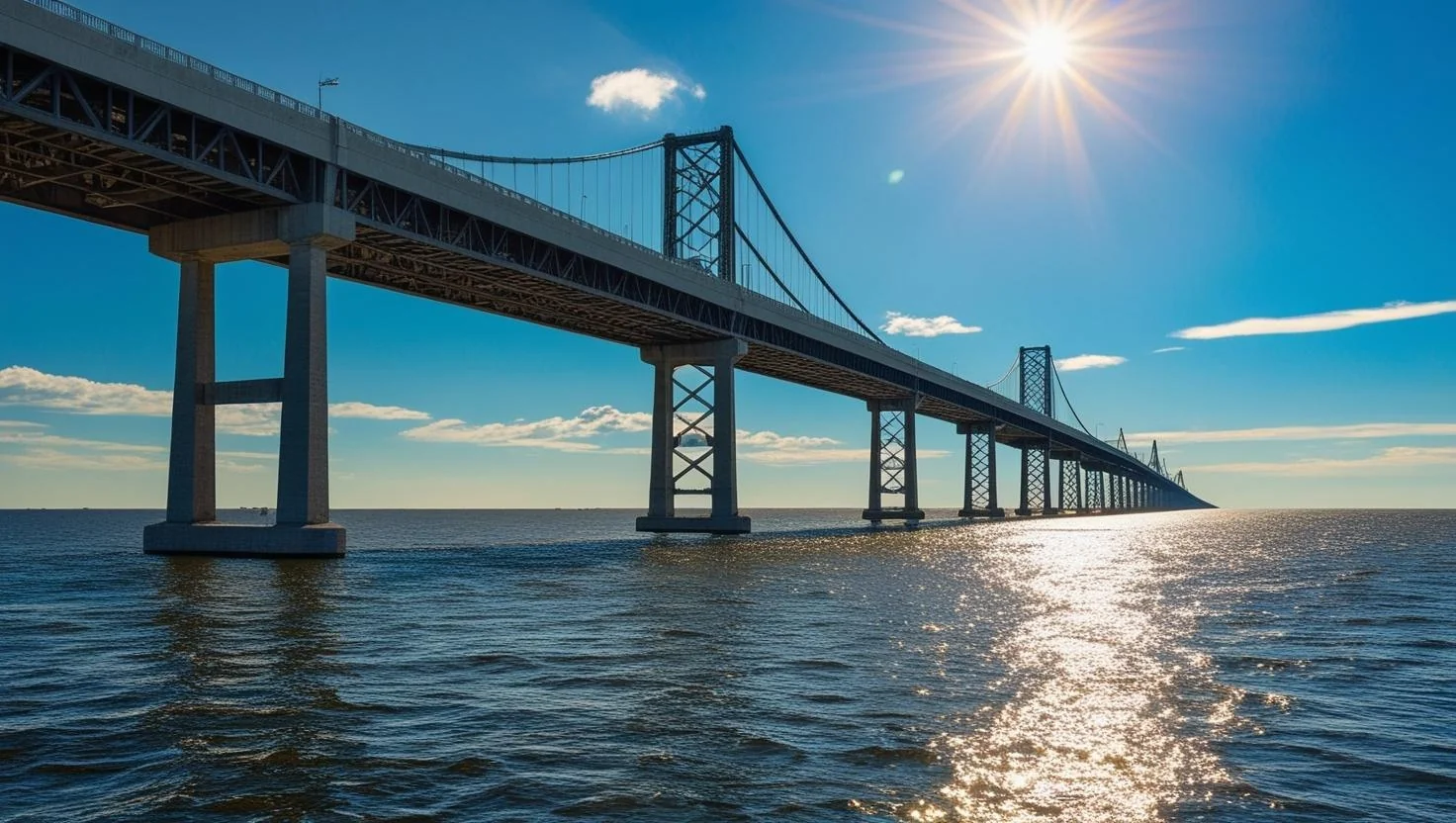
- Danyang-Kunshan Grand Bridge (2010): The world's longest bridge at 164.8 kilometers, part of China's high-speed rail network.
The Purpose and Impact of Bridges
Throughout history, bridges have served several crucial purposes:
- Transportation: Connecting communities and facilitating trade across natural barriers
- Urban Development: Becoming focal points for city growth and landmarks
- Engineering Innovation: Driving advancements in materials science and construction techniques
- Cultural Significance: Serving as symbols of human ingenuity and perseverance